
The EU's AI labelling deadline arrives on 2 December
High-risk rules were pushed back. The transparency rules were not.
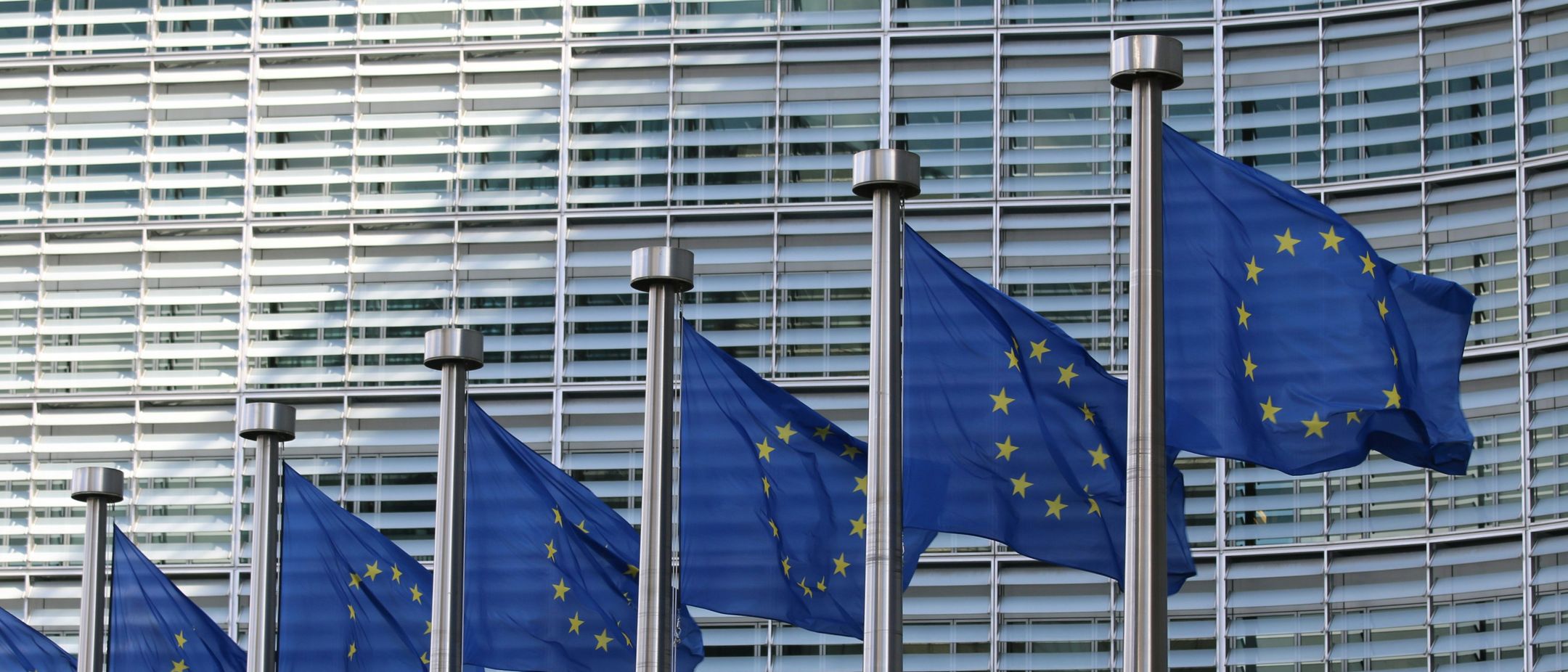
Most of the attention on the EU AI Act this year went to what was delayed. Under the Digital Omnibus, agreed in May and adopted over the summer, the rules for stand-alone high-risk systems, such as AI used in hiring, credit scoring or education, now apply from 2 December 2027 instead of 2 August 2026. High-risk AI built into regulated products, like medical devices, moves to 2 August 2028.
The part that did not move is Article 50, the transparency chapter. It has applied since 2 August 2026. If people talk to an AI system, they have to be told. If a system generates synthetic audio, images, video or text, the output has to be marked in a machine-readable way so it can be detected as AI-generated.
There was one concession. Systems already on the market before 2 August were given until 2 December 2026 to add that marking. That grace period ends in three weeks.
Who this applies to
The Act covers AI that is used in the EU, wherever the company behind it is based. A Dubai firm running a customer chatbot for European clients, or publishing AI-generated campaign videos to European audiences, is in scope.
For most businesses the work is practical rather than legal:
- Tell users they are talking to an AI at the start of the conversation, not in the terms of service.
- Check that the tools you use to generate images, voice and video add machine-readable marks, and that your editing and export steps don't strip them out.
- Keep a short list of the AI systems you run and what they produce. You will need it for the 2027 rules anyway.
The dates here come from the final Digital Omnibus text as summarised by law firms including Gibson Dunn. If you have EU exposure, confirm the details with your own counsel.